FLOWER Sublimation: Graphics for Crafts
As a graphic designer with years of experience in branding, marketing visuals, and digital design assets, I always approach new creative tools with a critical eye. FLOWER Sublimation is one such asset that caught my attention for its versatility and aesthetic appeal. This design offers a fresh, floral-inspired visual language that can be adapted to a wide range of projects, from handmade businesses to print-on-demand ventures.
The First Impression: A Floral Touch of Elegance
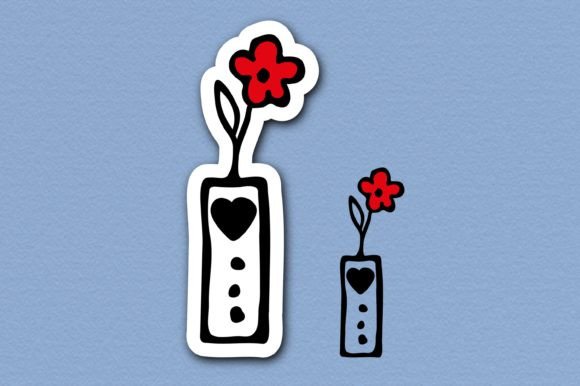
FLOWER Sublimation immediately evokes a sense of warmth and natural beauty. The design elements are soft yet detailed, blending well with both modern and vintage aesthetics. Its color palette is gentle, making it ideal for brands that want to convey a sense of calm, creativity, or organic authenticity. The floral motifs are not overly intricate, which helps maintain clarity even at smaller sizes.
This design feels like a perfect fit for small business branding, especially for boutique product lines, seasonal campaigns, or Etsy shops looking to stand out in a crowded creative marketplace.
Real-World Applications: From Brand Identity to Print-On-Demand
FLOWER Sublimation works exceptionally well in several real-world design scenarios. For logo design, it can serve as a subtle background or decorative element that adds character without overwhelming the primary text. In brand identity projects, it can be used as a recurring motif to reinforce consistency across different touchpoints.
In packaging design, this sublimation design can be applied to product labels, tags, or boxes, adding a refined and professional look. It also excels in sticker design, t-shirt design, and mug design, where its floral patterns can be printed with high detail and vibrancy.
For social media graphics, FLOWER Sublimation can be used as a hero image or background element, enhancing the visual mood of posts, Pinterest pins, or Instagram content. It also fits well into Canva templates, offering a ready-to-use design that can be customized quickly.
Best Uses: Large Layouts and Themed Collections
This design shines when used in large layout areas, such as product mockups, editorial spreads, or campaign visuals. Its intricate details work best when given space to breathe, allowing the floral elements to stand out without being lost in clutter.
FLOWER Sublimation is also great for themed collections, such as seasonal campaigns, handmade goods, or printable wall art. It pairs well with other design assets in a design bundle, helping to create cohesive and visually appealing layouts.
As a sublimation design, it’s particularly useful for Cricut projects, where the PNG transparency allows for precise cutting and layering. It can also be used in web design, blog visuals, or digital ads to add a touch of elegance and creativity.
Caution Areas: Minimalist Branding and Complex Backgrounds
While FLOWER Sublimation is versatile, it may not be the best choice for all design contexts. In minimalist branding, where clean lines and negative space are key, this design could feel too busy or distracting. Similarly, in low-contrast designs or complex backgrounds, the floral elements might not stand out as effectively.
It’s also important to consider visual hierarchy. If the design is placed in a crowded layout or alongside too many other elements, it could lose its impact. For professional corporate materials, a more straightforward and structured design might be more appropriate.
Design Considerations: Readability and Professionalism
When using FLOWER Sublimation in client projects, it’s essential to test how it affects readability and visual hierarchy. For instance, placing it behind text might reduce legibility, especially on light or dark backgrounds. Testing the design in black and white can help determine if it still holds visual interest without color.
Print quality is another factor to consider. Since this is a sublimation design, it should be tested on actual materials like t-shirts, mugs, or tote bags to ensure the colors and details translate well. Checking the file formats—especially PNG transparency and SVG editability—is crucial before using it commercially.
For a client project, it’s also important to compare FLOWER Sublimation with different font styles, such as serif, sans serif, script, or display fonts, to see how they interact. This ensures the overall design remains balanced and professional.
Practical Designer Notes: What to Check Before Using
Before incorporating FLOWER Sublimation into a client project, I recommend doing the following:
- Test it in black and white to assess its standalone visual appeal.
- Check contrast on both light and dark backgrounds to ensure visibility.
- Preview it at small and large sizes to evaluate scalability.
- Place it on real mockups to see how it looks in context.
- Review file formats and confirm commercial licensing to avoid legal issues.
- Inspect PNG transparency if included, and check SVG or vector editability when relevant.
These steps help ensure that the design asset aligns with the project's goals and meets professional standards.
Conclusion: A Versatile Asset for Creative Projects
FLOWER Sublimation is a strong addition to any designer’s toolkit, especially for those working on handmade businesses, small business branding, or print-on-demand products. Its floral motifs offer a unique visual language that can elevate a variety of design projects, from packaging to social media graphics.
While it may not be suitable for every situation, when used appropriately, it can enhance the visual mood, improve brand recognition, and add a touch of elegance to any design. As with any graphic design asset, careful consideration and testing are key to ensuring it meets the needs of the project and the client.