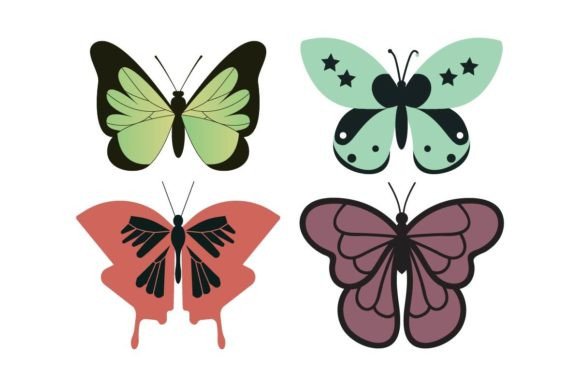
Illustration Flower: Graphics for Freebies
As a blog designer and digital publisher, I’m always on the lookout for high-quality graphic design assets that can elevate editorial design and web design across multiple platforms. The Illustration Flower is one such asset that offers versatility, aesthetic appeal, and practical value for content creators, website owners, and digital marketers.
The First Impression: Aesthetic and Mood
Upon first glance, the Illustration Flower exudes a soft, artistic energy that feels both modern and timeless. Its clean lines and delicate details suggest a lifestyle or creative niche, making it ideal for blogs focused on wellness, home decor, fashion, or personal development. The visual mood is gentle yet professional, which helps establish reader trust and a polished brand identity.
This design works well in editorial layouts where a touch of creativity enhances readability without overwhelming the content. It’s not overly bold or decorative, but it still commands attention—perfect for content that needs to feel both engaging and trustworthy.
Real Publishing Use Cases
The Illustration Flower is a versatile graphic design asset that fits seamlessly into various publishing workflows. Whether you're creating blog graphics, Pinterest pins, or social media graphics, this design can be adapted to fit your needs.
- Blog Featured Images: Use it as a hero image or article header to create a strong first impression and support visual hierarchy.
- Pinterest Pins: Its 1920px x 1280px canvas size makes it ideal for Pinterest visuals, where clarity and aesthetics matter most.
- Newsletter Banners: Incorporate it into email templates to add a touch of elegance and professionalism.
- Lead Magnets: Pair it with downloadable resources like worksheets, guides, or printables to make them more visually appealing.
- Canva Templates: Its vector formats (AI, EPS, SVG) allow for easy customization in design tools like Canva.
For content marketing efforts, the Illustration Flower can serve as a recurring visual element that reinforces brand identity across different platforms.
Supporting Content Performance
Visuals play a crucial role in content performance. The right graphic design asset can improve click-through rates, increase engagement, and build a stronger connection with your audience.
The Illustration Flower helps create a clearer visual hierarchy by providing a focal point that draws the eye without distracting from the text. This is especially important for blog posts, where readers often scan for key information.
It also supports consistent branding, which is essential for small business branding and digital product promotion. When used across multiple content types—like social media posts, affiliate marketing materials, or digital guides—it strengthens the overall visual identity of your brand.
Where It Works Best
The Illustration Flower shines in scenarios where a touch of creativity enhances the user experience. It’s perfect for:
- Hero Images: As a website header or landing page background, it adds a subtle yet elegant backdrop.
- Article Thumbnails: Ideal for Pinterest or blog index pages, where visual appeal drives clicks.
- Editorial Accents: Use it to highlight key sections in articles or digital guides.
- Downloadable Resources: Enhance the look of printable designs, worksheets, or e-books.
- Social Media Previews: Boost the visibility of your posts with eye-catching visuals.
Its adaptability makes it a valuable addition to any content creator's design assets library.
Where to Use With Caution
While the Illustration Flower is a strong graphic design asset, it may not suit every use case. For example:
- Small Mobile Thumbnails: Due to its intricate details, it may lose clarity when scaled down.
- Text-Heavy Images: Avoid using it as a background for dense paragraphs or headlines.
- Low-Contrast Backgrounds: Ensure there’s enough contrast between the design and the background for readability.
- Busy Layouts: In complex designs, it could become visually overwhelming.
- Serious Professional Niches: For corporate or financial websites, a more minimal style might be more appropriate.
Understanding these limitations helps ensure the Illustration Flower is used effectively and appropriately in your publishing workflow.
Publisher Notes and Best Practices
Before integrating the Illustration Flower into your content, consider these practical tips:
- Test on Desktop and Mobile: Make sure it looks good on all screen sizes.
- Check Thumbnail Quality: Preview it as a thumbnail to ensure it remains recognizable.
- Preview in Real Blog Layouts: See how it interacts with other elements like headlines and buttons.
- Test Contrast and Readability: Ensure text placed over it is legible.
- Try in Black and White: Assess how it performs without color.
- Place Beside Different Fonts: Check how it pairs with serif, sans serif, script, and display fonts.
- Review File Size: Optimize images for web performance.
- Confirm Commercial License: Ensure it’s suitable for monetized sites, affiliate pages, or paid content products.
These steps will help you maximize the value of the Illustration Flower while maintaining a professional and cohesive design system.
Final Thoughts
The Illustration Flower is a well-crafted graphic design asset that offers real-world value for bloggers, publishers, and content creators. Its clean, artistic style makes it ideal for a wide range of editorial and web design projects, from blog graphics to social media visuals.
Whether you're working on a digital guide, a lead magnet, or a Canva template, this design can help elevate your content and strengthen your brand identity. With proper testing and thoughtful application, the Illustration Flower can become a trusted part of your creative design toolkit.