Insect Vector: Graphics and Freebies for Creative Design
As a designer who regularly works on branding, packaging, and marketing visuals, I always look for reliable graphic design assets that can elevate a project without complicating the workflow. Insect Vector caught my attention as a freebie that could be useful in various creative design scenarios. Let’s explore how this digital product fits into real client projects and what to consider before using it commercially.
First Impressions of Insect Vector
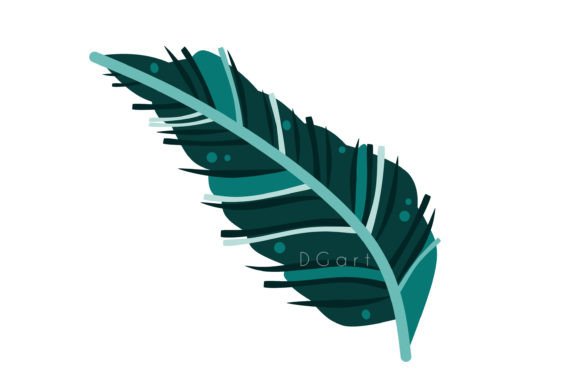
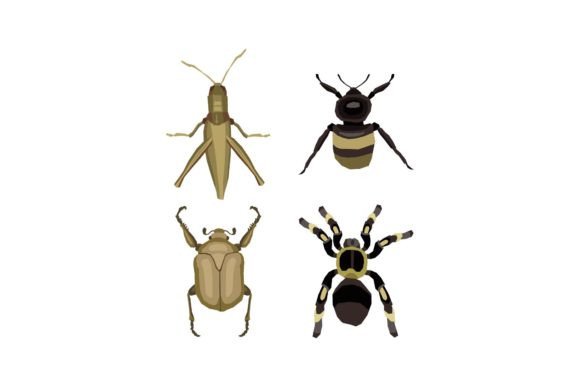
Insect Vector has a whimsical yet professional feel. The illustration style is clean and modern, with a focus on detail that makes it suitable for both playful and polished applications. The mood it creates is light and approachable, ideal for brands targeting a younger or more casual audience. It represents a hand-drawn aesthetic that blends well with handmade business themes, making it a great addition to a design bundle.
The visual elements are simple but effective. Each insect is clearly defined, allowing for easy integration into different layouts. The color palette is versatile, offering flexibility when paired with other design elements. This makes Insect Vector a strong candidate for printable design, social media graphics, and even t-shirt design.
Real-World Applications of Insect Vector
When working on a small business branding project, I often look for design assets that can enhance the visual mood without overwhelming the message. Insect Vector excels in this area. It works well in logo design, especially for businesses with a nature or eco-friendly theme. The vector format ensures scalability, so it looks sharp at any size.
This asset also shines in product labels and packaging design. Its clean lines make it ideal for sublimation design, sticker design, and even Canva templates. When used in a packaging concept, it adds a touch of creativity without detracting from the overall brand identity.
For editorial design or blog visuals, Insect Vector provides a decorative element that can break up text and add visual interest. It’s perfect for Pinterest pins, Instagram posts, or digital ads where a unique visual appeal is needed. The SVG design allows for easy editing, making it adaptable to different styles and fonts.
Best Uses for Insect Vector
Insect Vector performs best in large layout areas, such as hero graphics or product mockups. It adds a sense of movement and energy that can draw attention without being distracting. For themed collections or seasonal campaigns, it offers a cohesive visual language that supports the overall design direction.
It also works well as a decorative accent in packaging details or printable wall art. When used in a campaign visual, it enhances the storytelling aspect of the design while maintaining a professional appearance. For commercial design or print-on-demand projects, its versatility makes it a valuable addition to any design asset library.
Uses to Approach with Caution
While Insect Vector is visually appealing, it may not be the best choice for minimalist branding or professional corporate materials. Its intricate details can become lost in low-contrast designs or crowded layouts. If the goal is to maintain a clean visual hierarchy, this asset might require careful placement to avoid cluttering the composition.
Small sizes can also be an issue. At a reduced scale, the fine details may not translate well, especially if the design is intended for a t-shirt or mug. It’s important to test the asset at various sizes and on different backgrounds to ensure it maintains its clarity and impact.
Impact on Branding and Visual Appeal
When used appropriately, Insect Vector can significantly improve the emotional appeal of a design. Its playful nature can engage audiences and create a more memorable brand experience. However, it’s essential to maintain brand consistency by ensuring the asset aligns with the overall style and messaging of the project.
Visual trust and recognition are also key factors. A well-chosen graphic design asset like Insect Vector can reinforce a brand’s identity and help establish a stronger connection with the target audience. It contributes to the professionalism of the final output, especially when integrated thoughtfully into marketing visuals or web design.
Practical Designer Notes
Before using Insect Vector for a client project, there are several practical checks to perform. Test it in black and white to see how it holds up without color. Check contrast on both light and dark backgrounds to ensure visibility. Preview it at small and large sizes to assess its adaptability.
Place it on real mockups to see how it interacts with other design elements. Test print quality if it’s intended for physical products. Review the file formats—AI, EPS, and SVG—to confirm they meet your workflow needs. If PNG transparency is included, inspect it to ensure it works as expected.
Compare it with different font styles to see how it complements serif, sans serif, script, or display fonts. Always confirm the commercial license before using it for a client or business project. These steps will help ensure that Insect Vector meets the standards required for professional design work.
Conclusion: A Useful Addition to Your Design Toolkit
Insect Vector is a versatile graphic design asset that can enhance a wide range of projects. Whether you’re working on a handmade business branding initiative, a seasonal campaign, or a digital ad, it offers a creative solution that balances playfulness with professionalism. Its availability as a freebie makes it an attractive option for designers looking to expand their design assets without breaking the bank.
With proper consideration and testing, Insect Vector can be a valuable tool in your creative process. It supports the visual mood of a project, improves audience engagement, and adds a polished touch to your design work. As long as it’s used thoughtfully, it can contribute to the success of your client’s brand and marketing efforts.